Sharjah Bridi Park, Sharjah, UAE
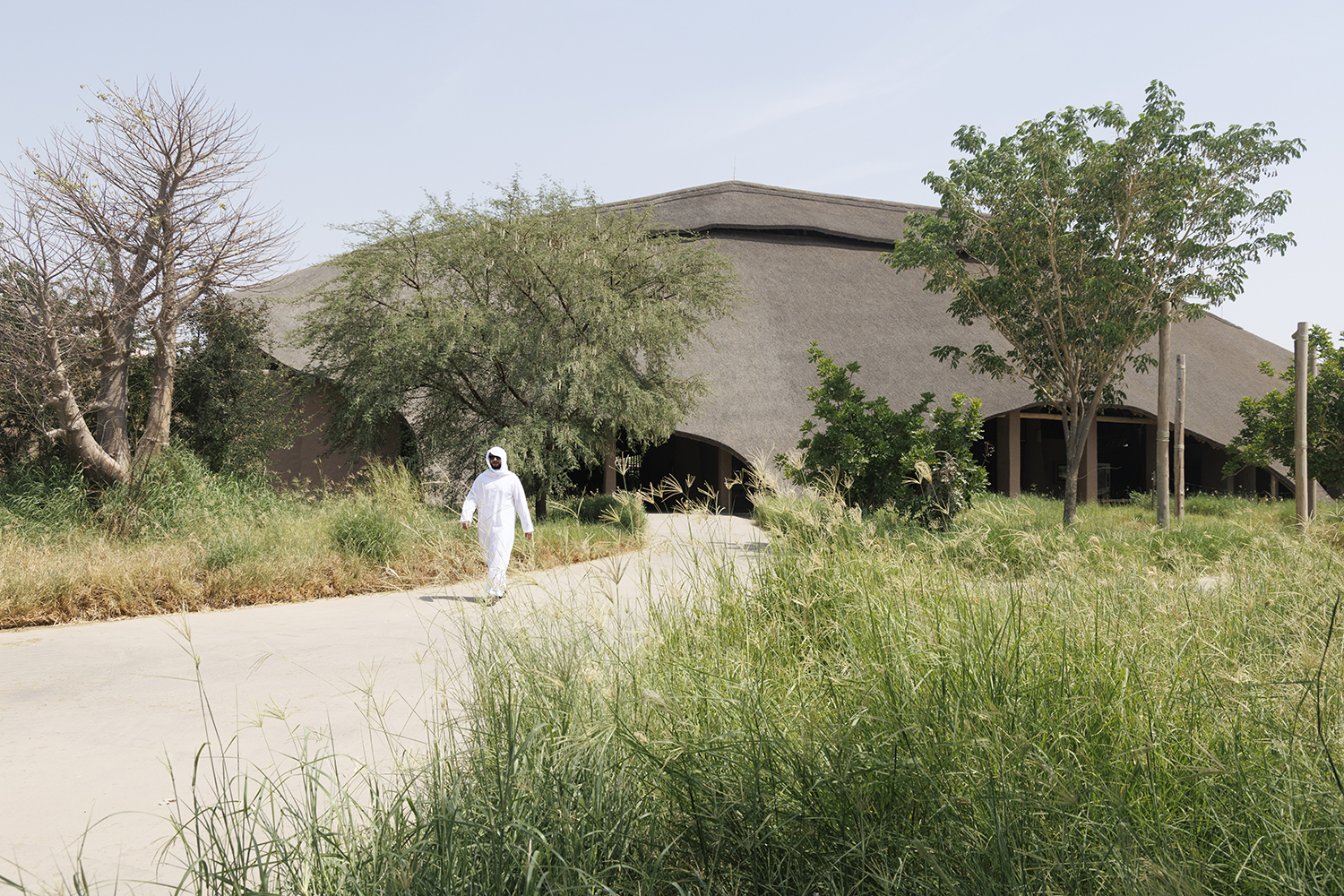
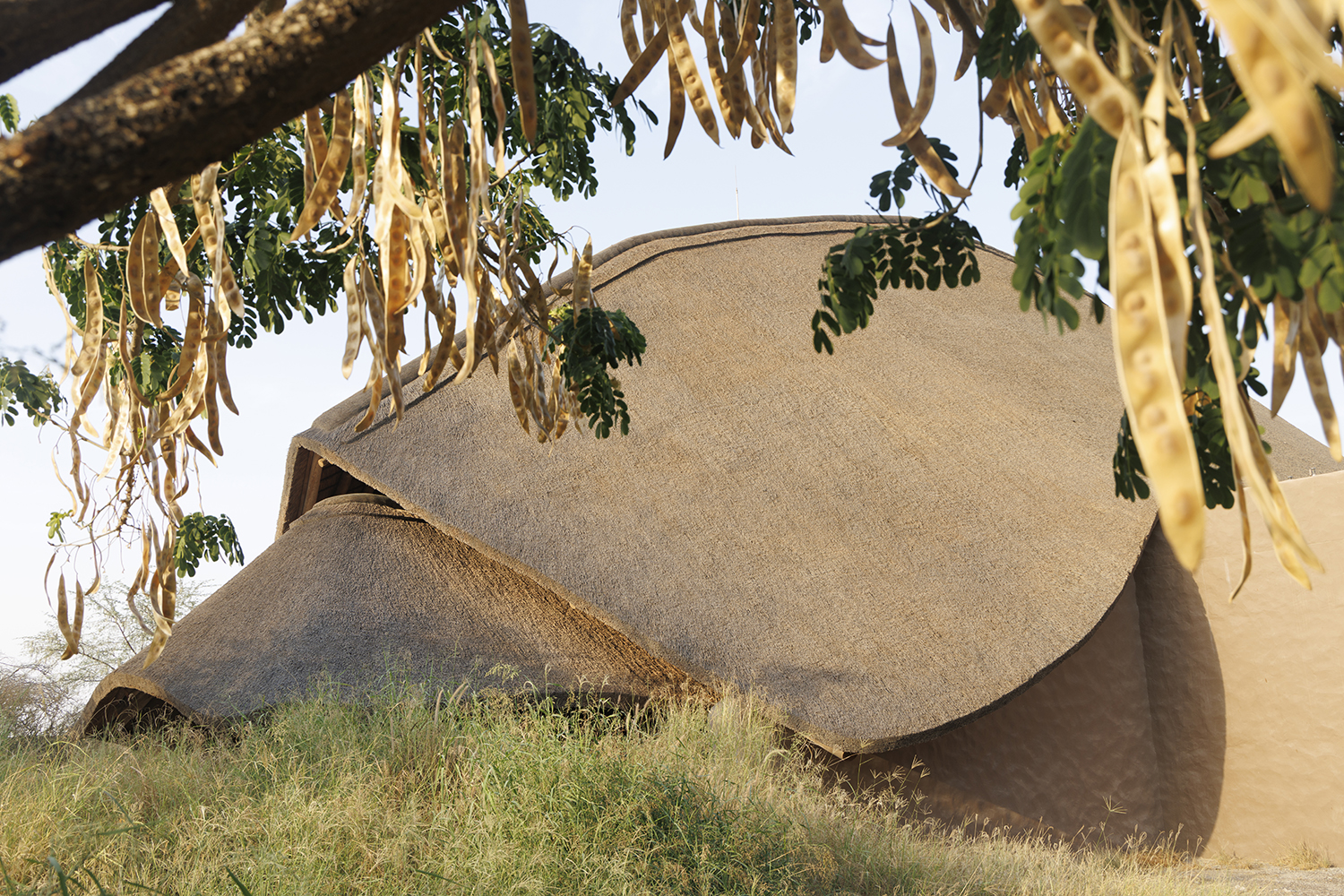
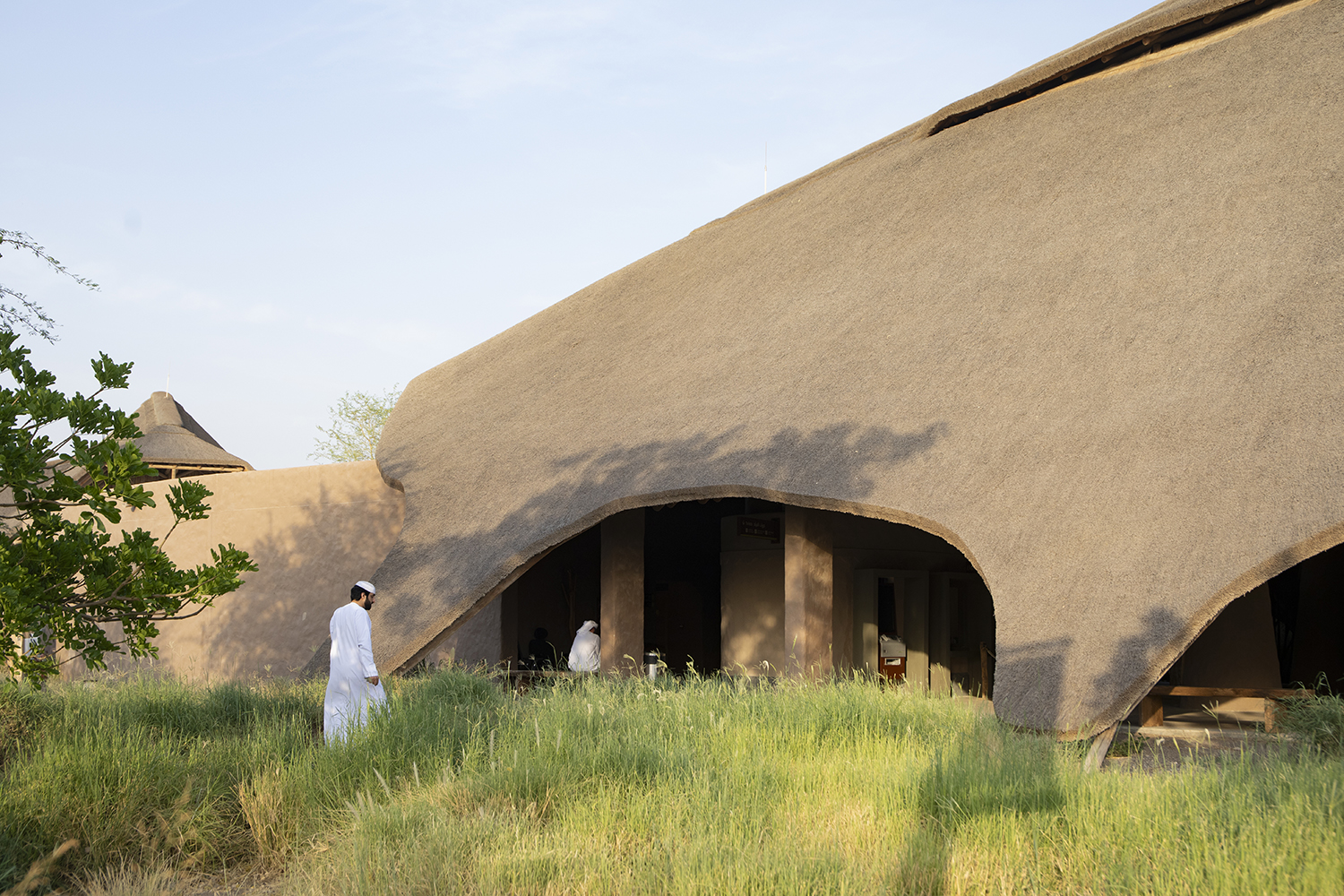
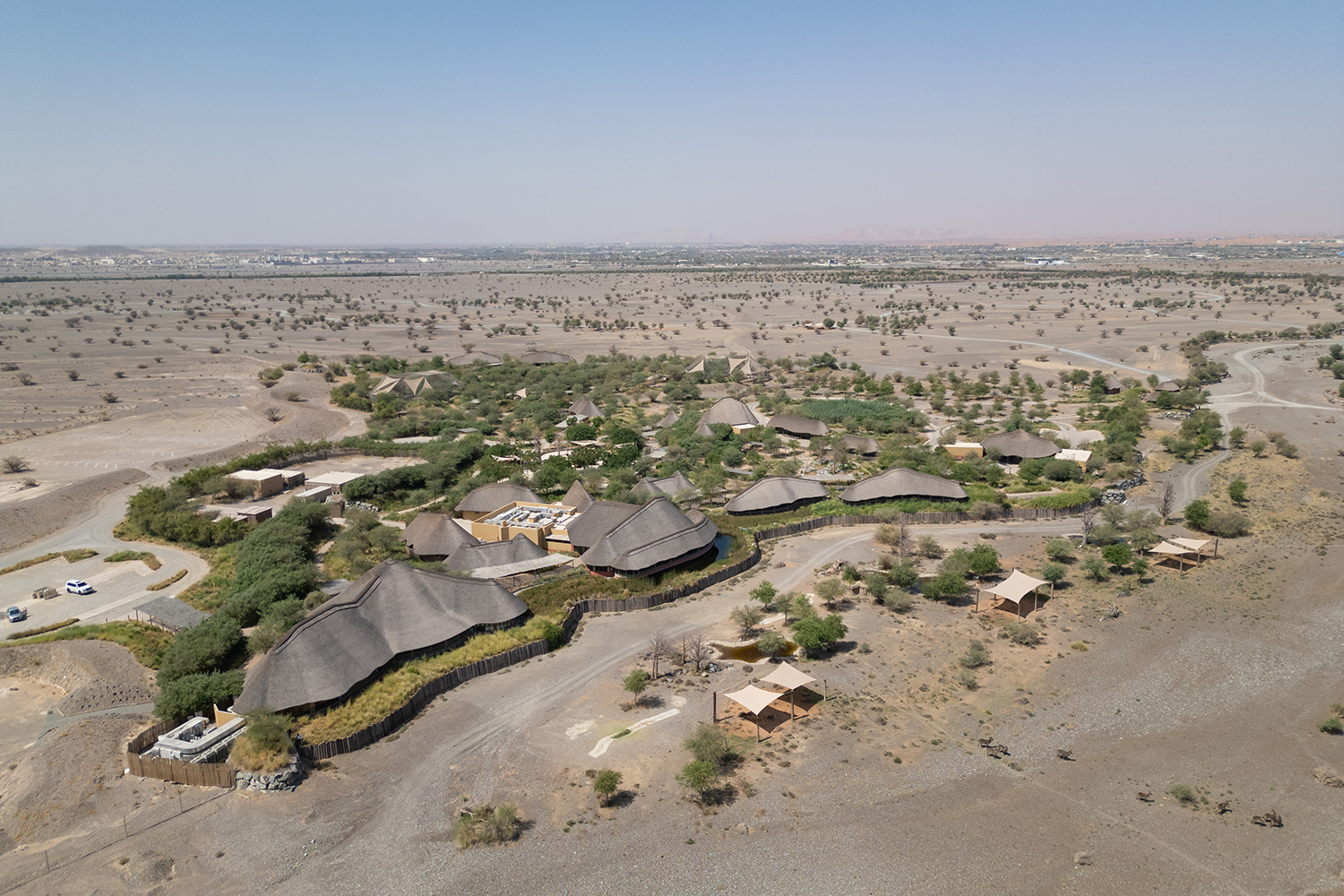
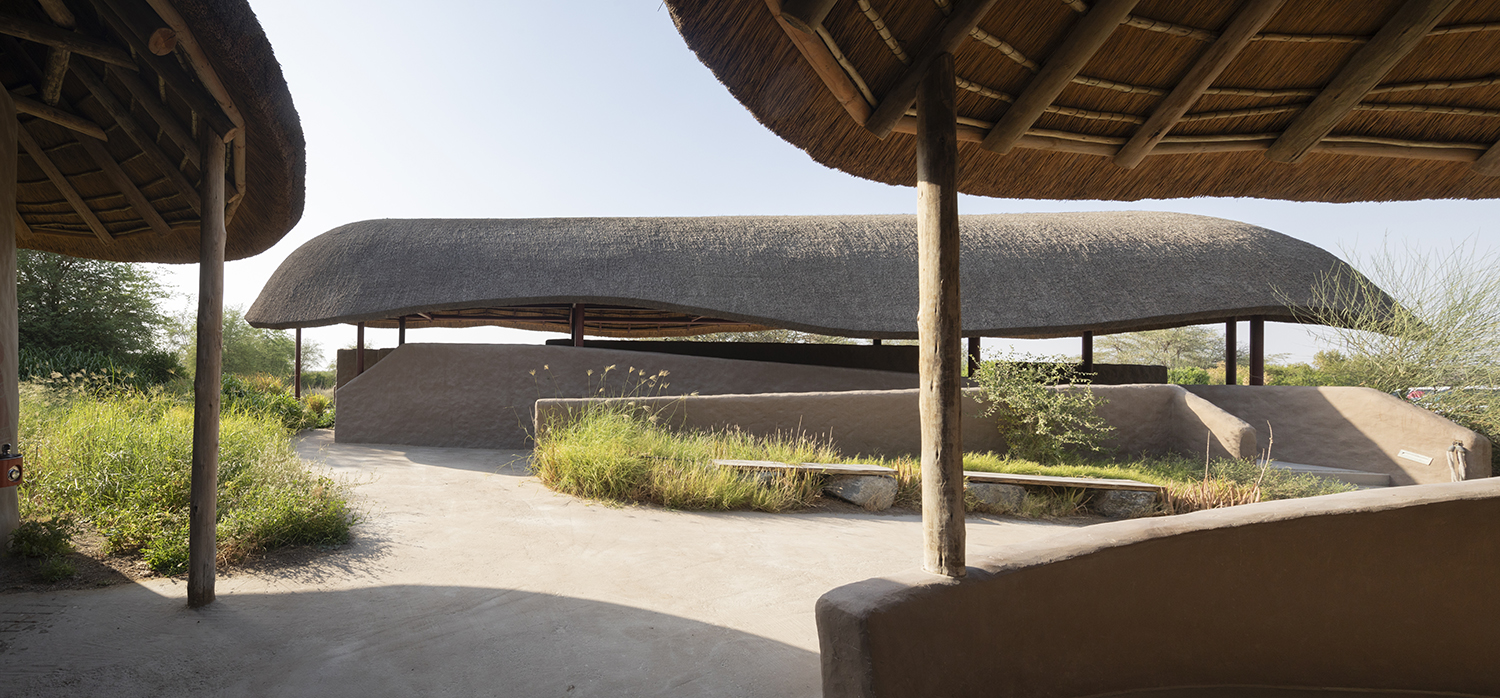
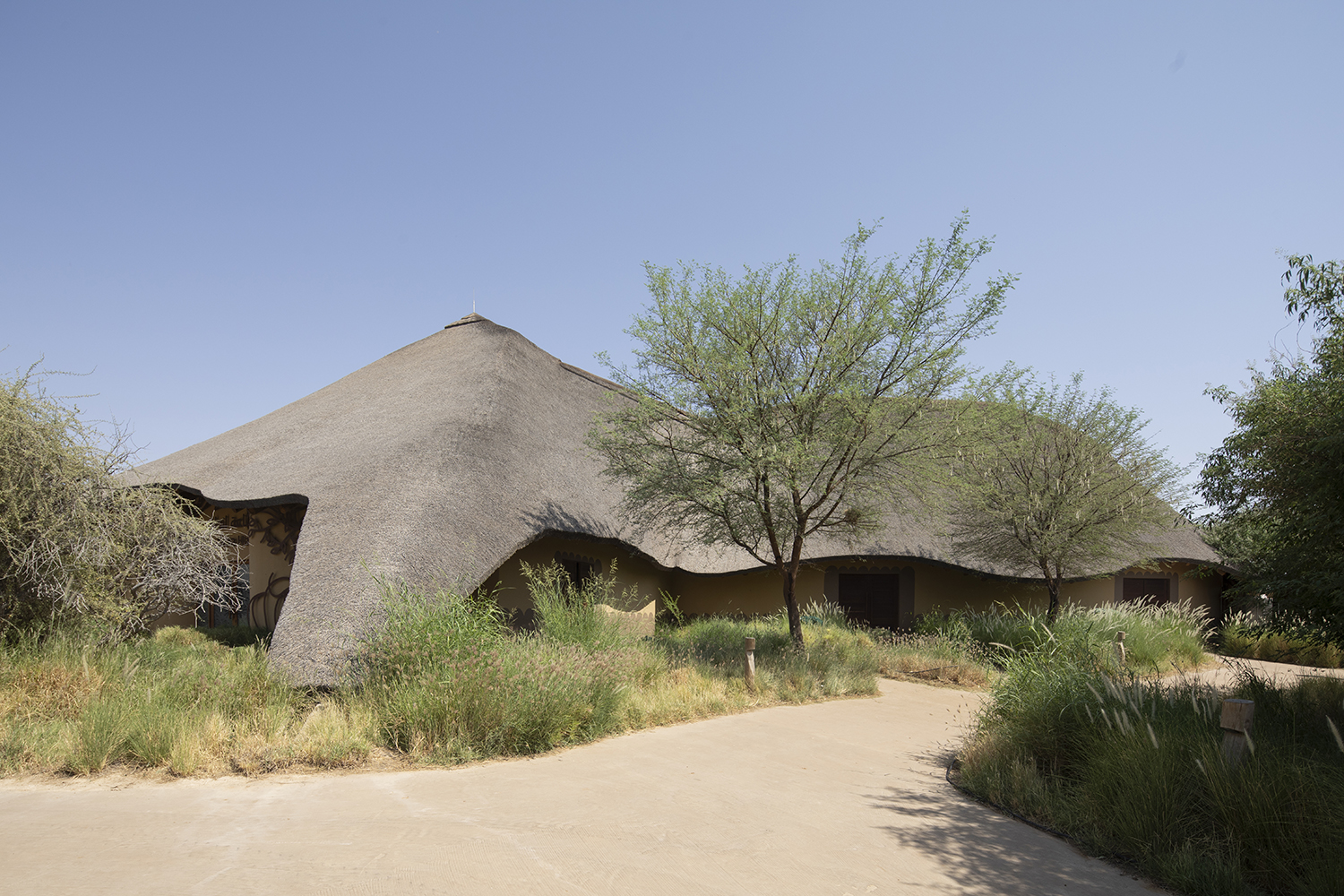
A landscape of imaginary creatures emerging within the Al Bridi Reserve.

Sharjah Bridi Park, Sharjah, UAE
A landscape of imaginary creatures emerging within the Al Bridi Reserve.


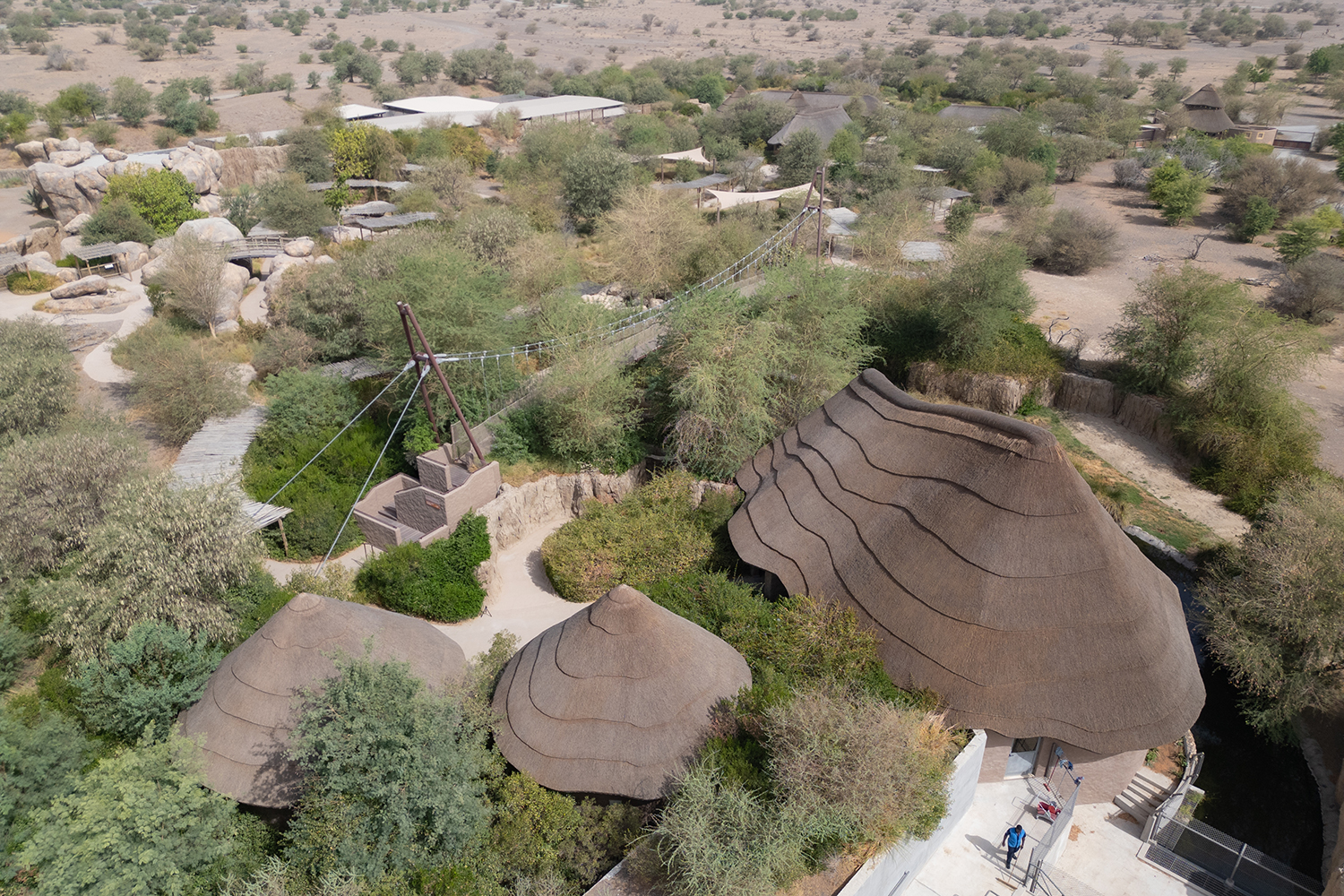
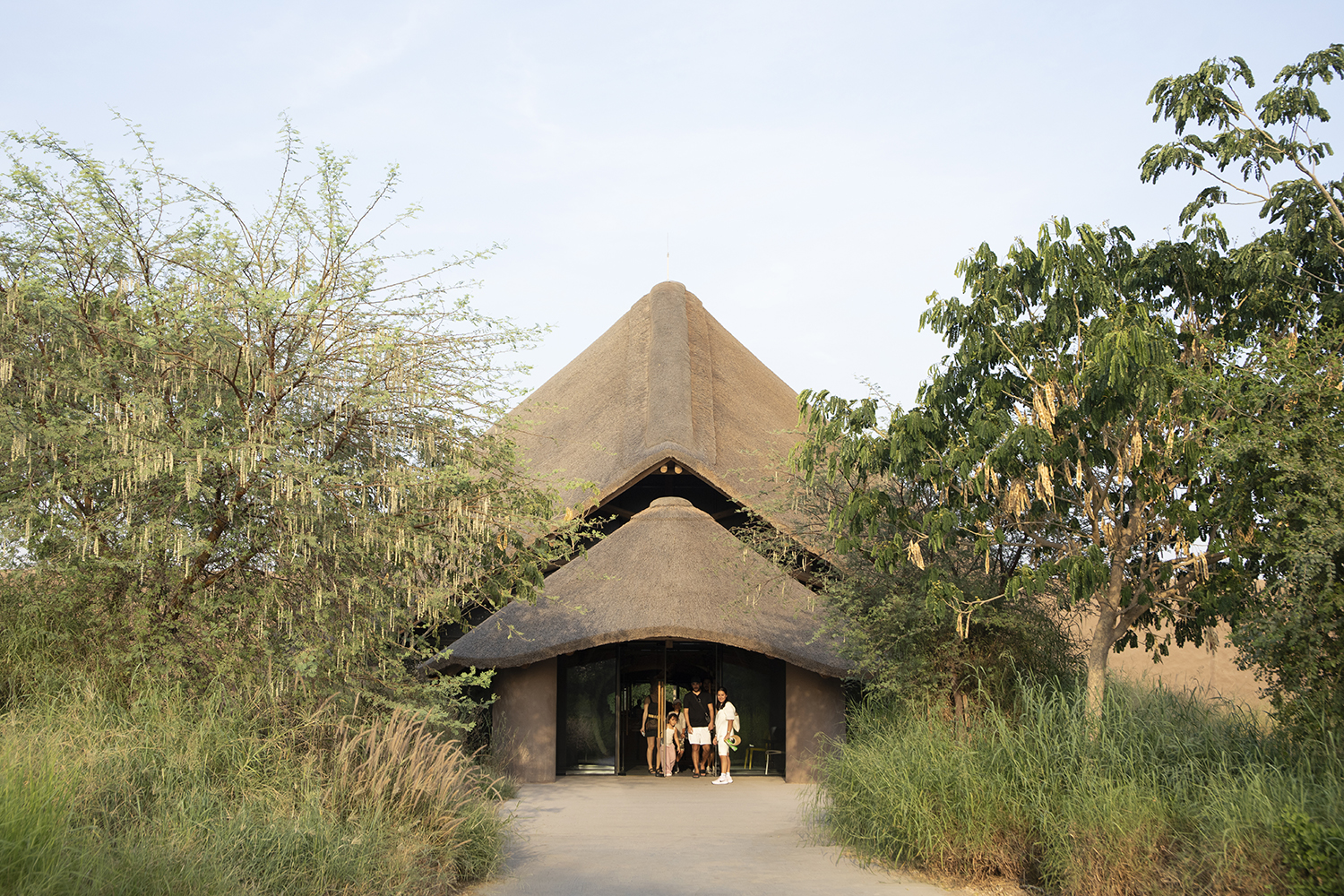
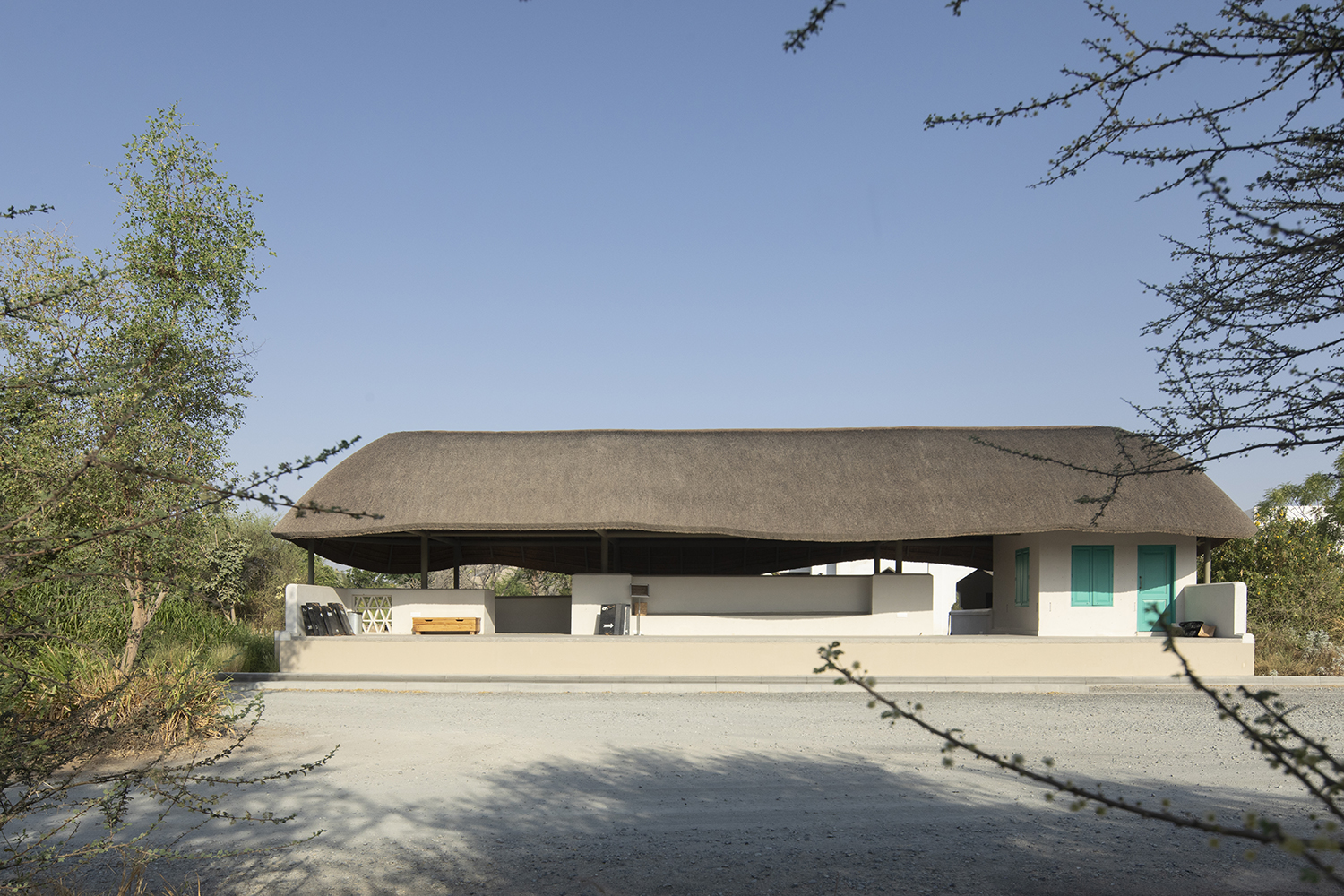
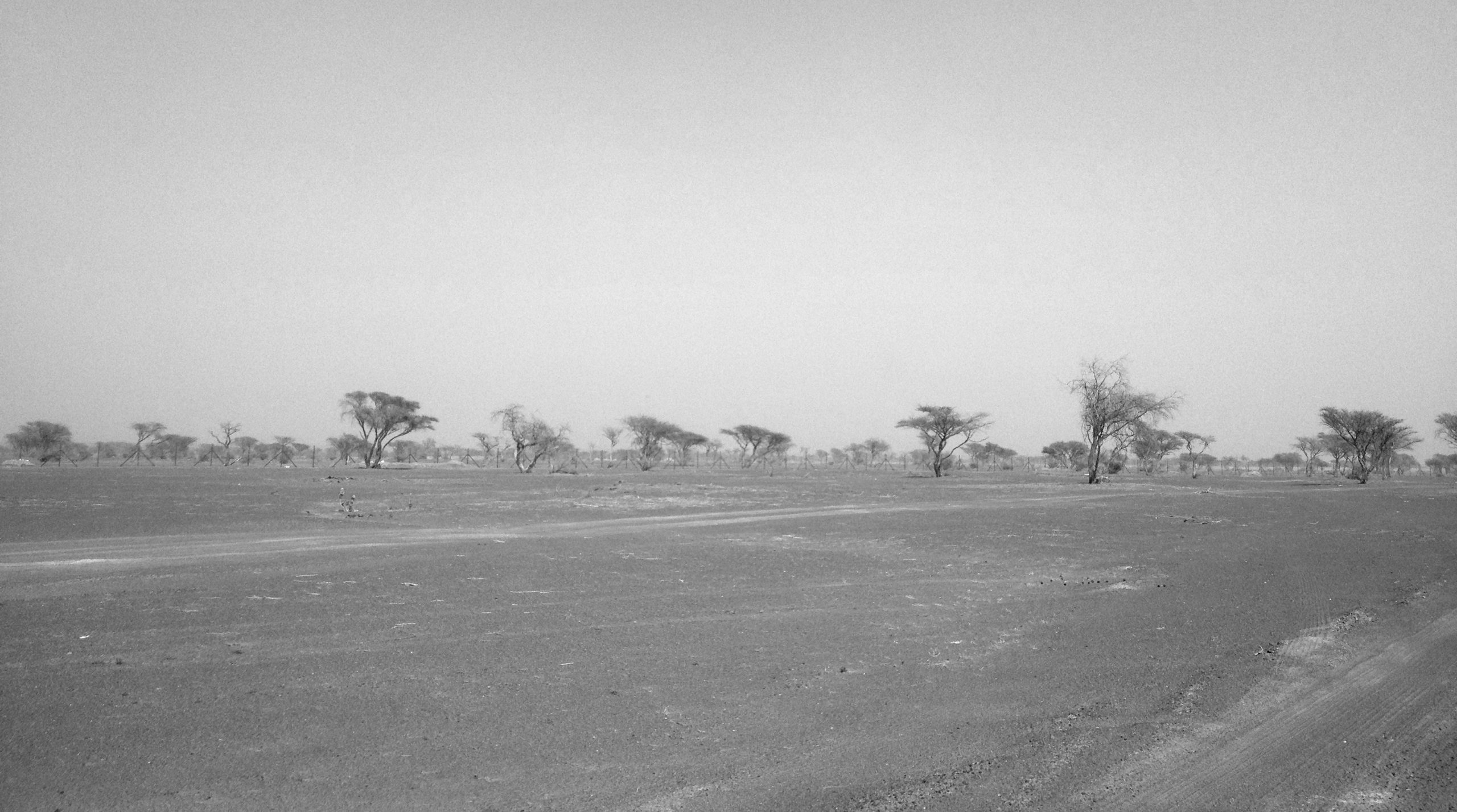
Located within the Al Bridi Reserve in Sharjah, the project was conceived as an environment dedicated to research, education, and the study of African ecosystems. Our role centred on designing the ensemble of public and service buildings that structure the visitor experience: entrance pavilions, ticketing areas, retail spaces, educational camp, and ancillary facilities.
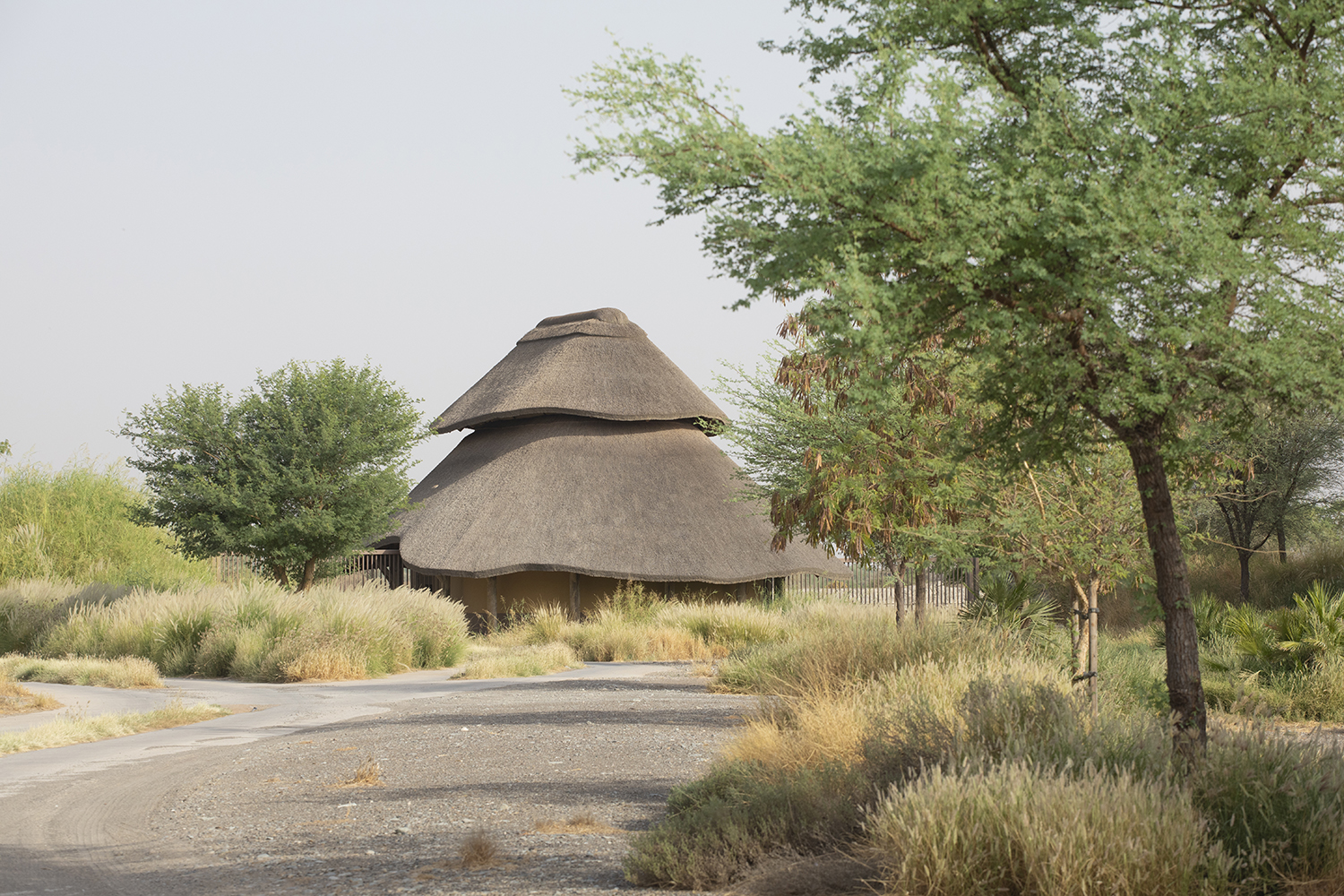
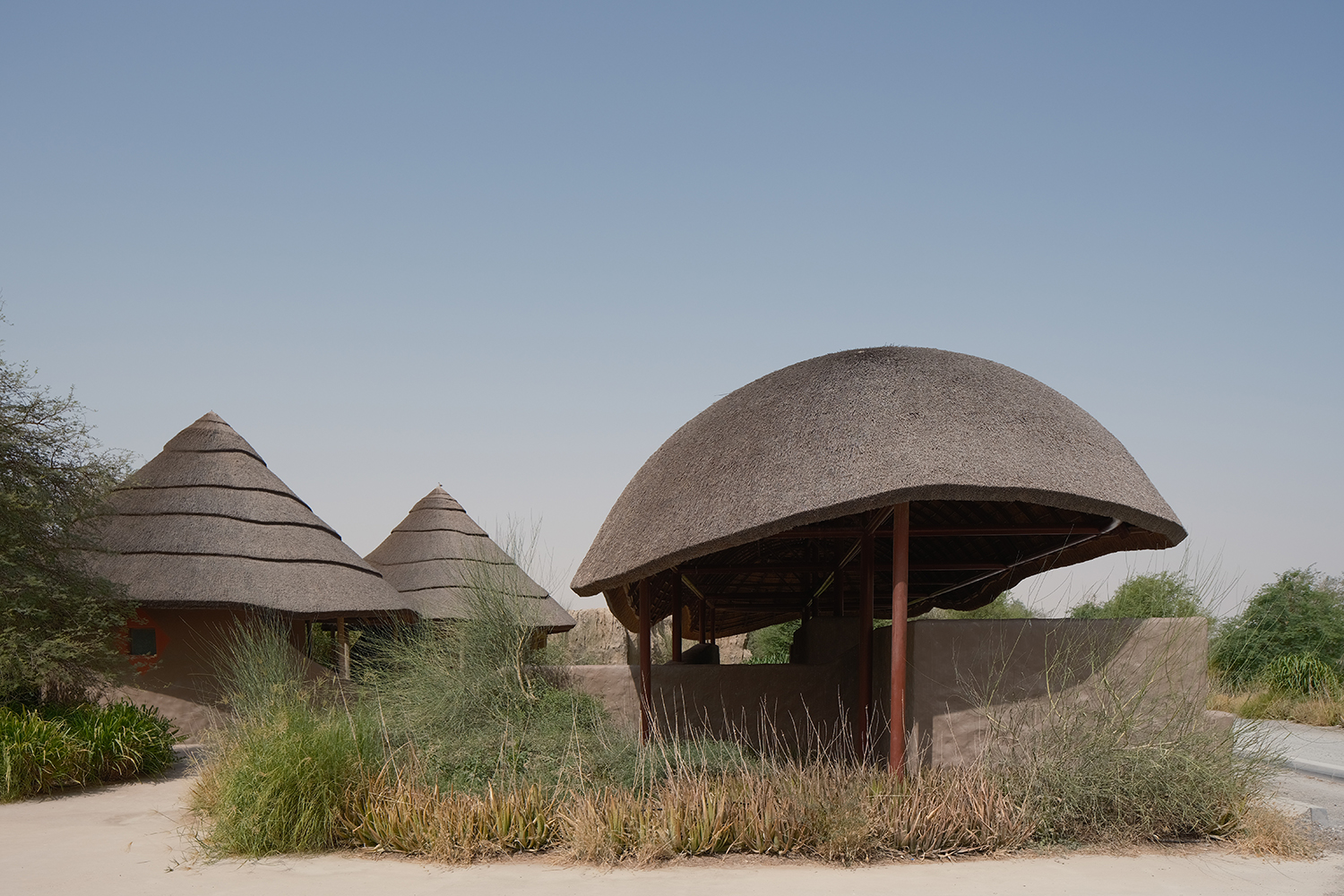
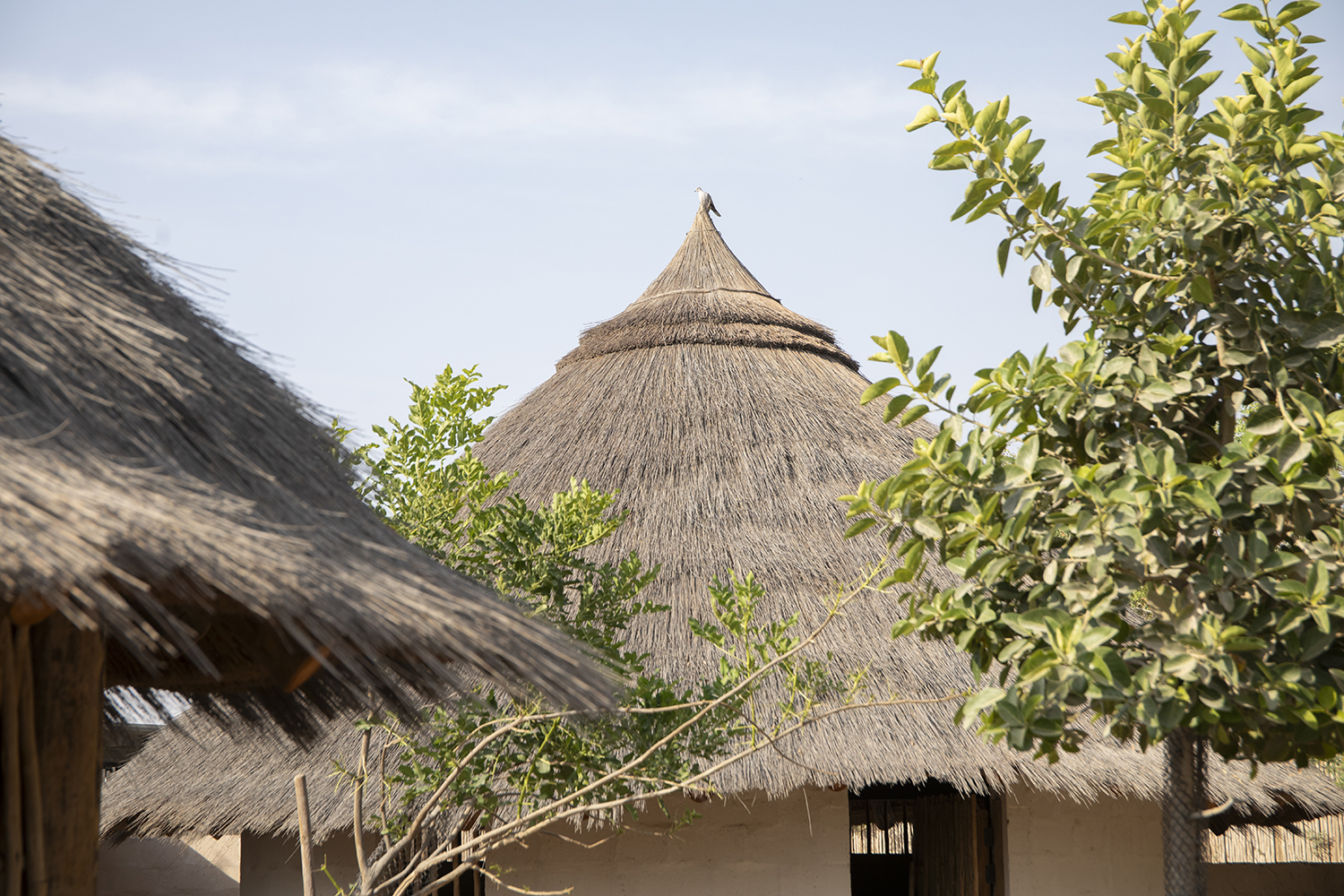
The architectural approach emerged from a deep exploration of traditional African building typologies and their translation into a contemporary context. We reinterpreted these vernacular structures, materials, and craftsmanship to develop an expressive yet functional language that resonates with the landscape.
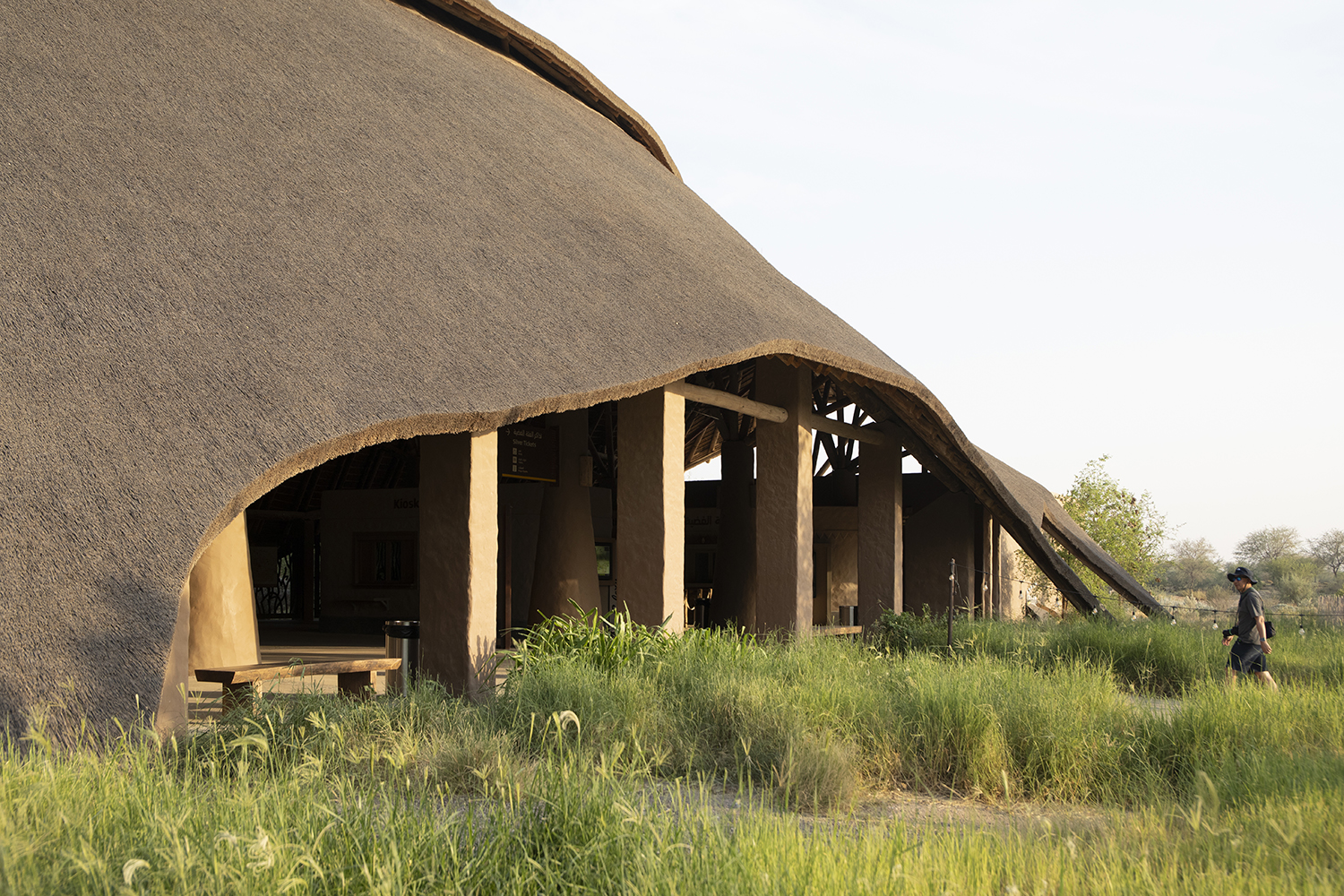
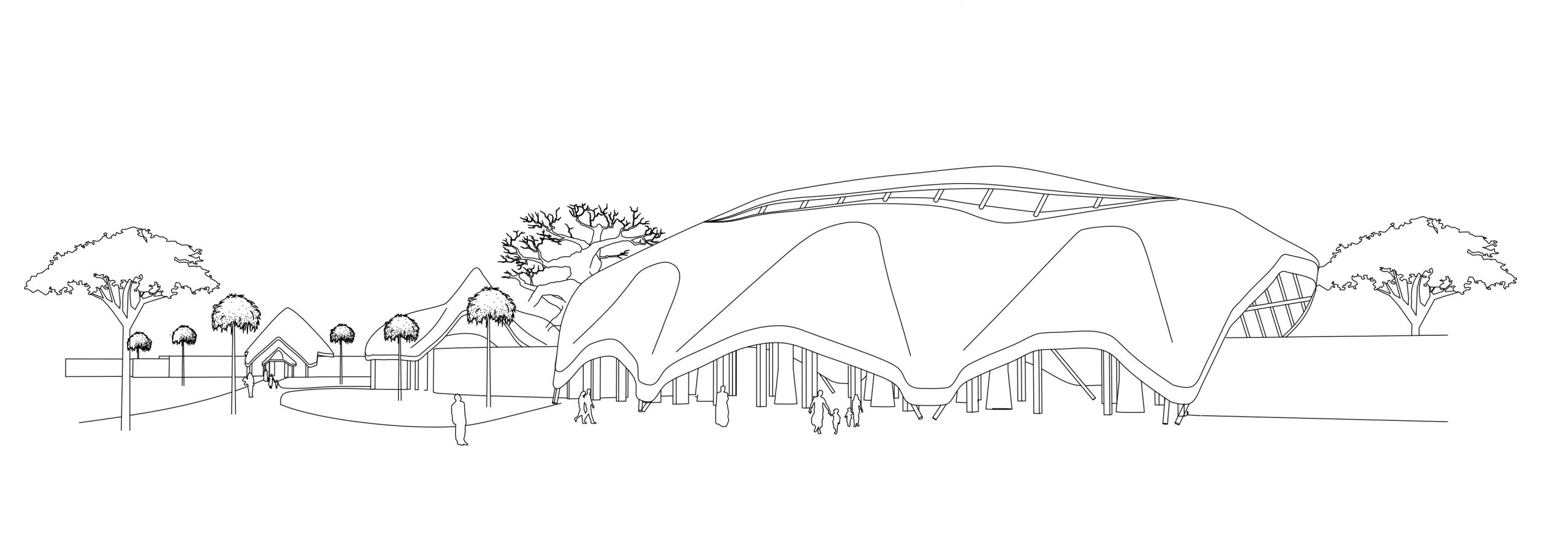
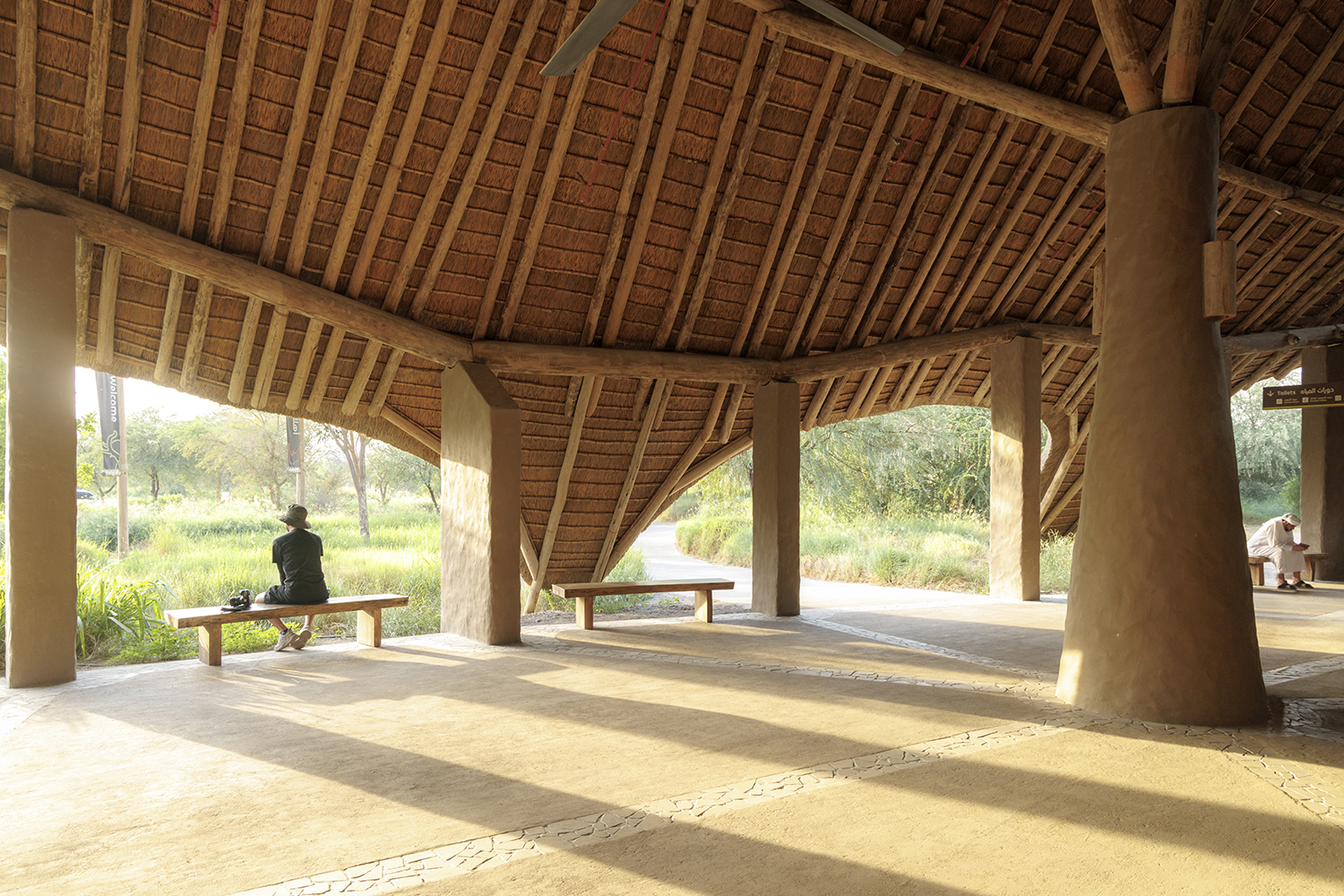
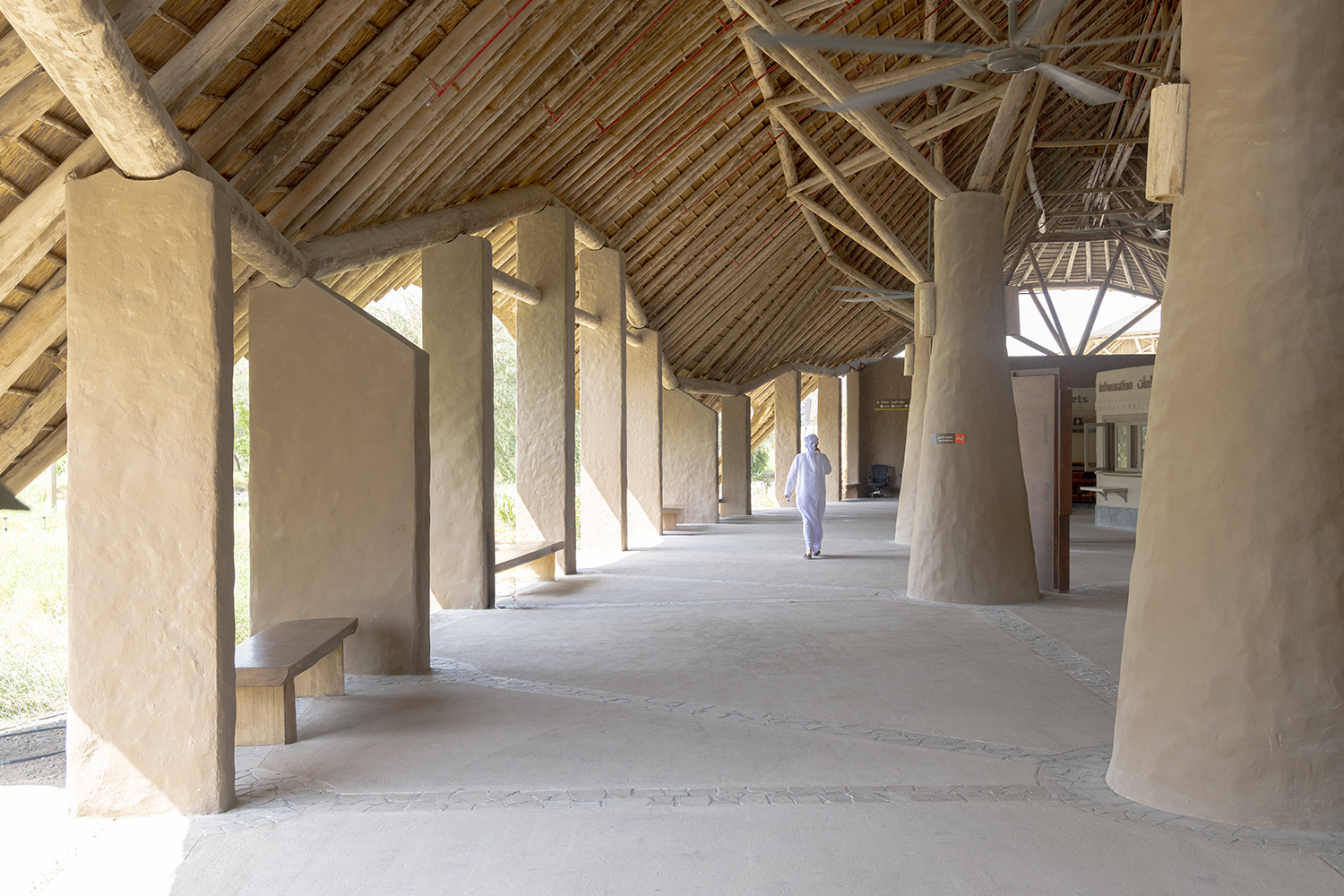
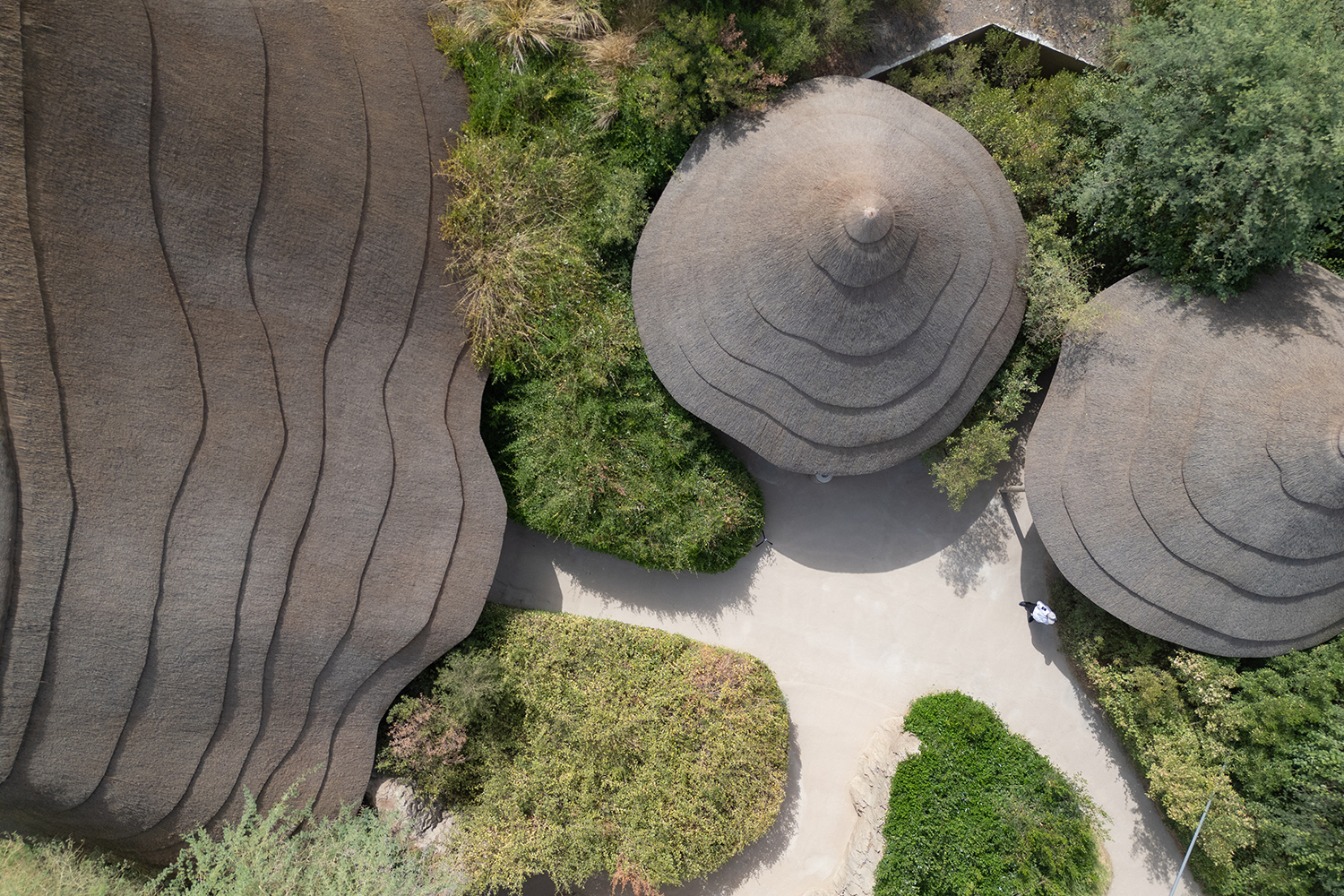
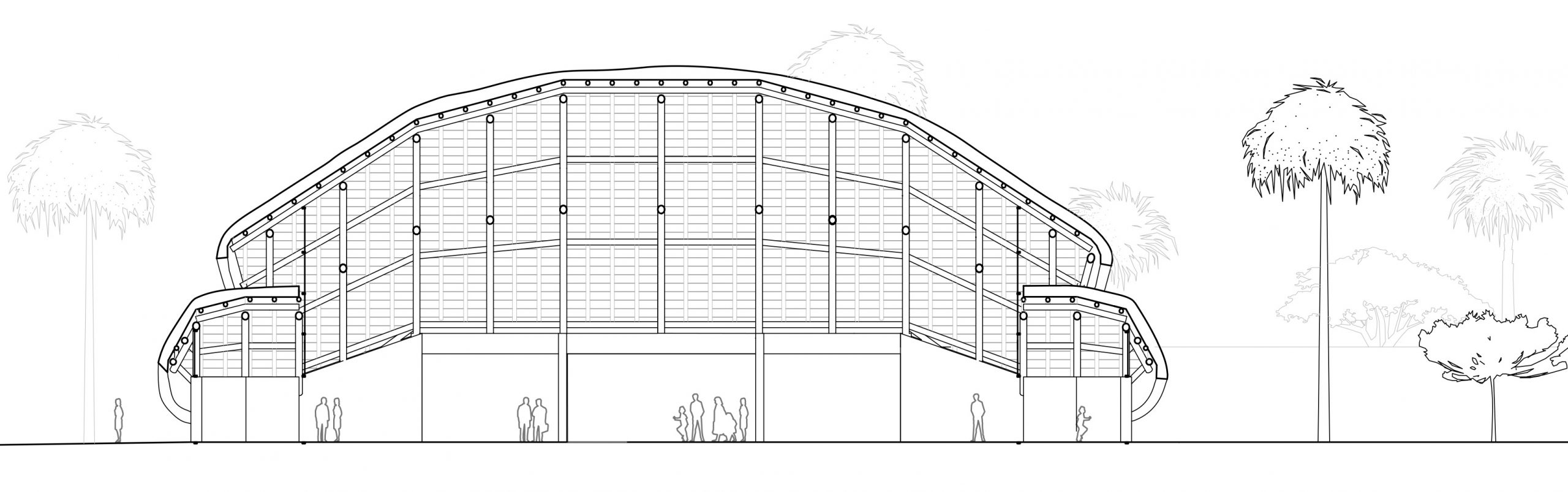
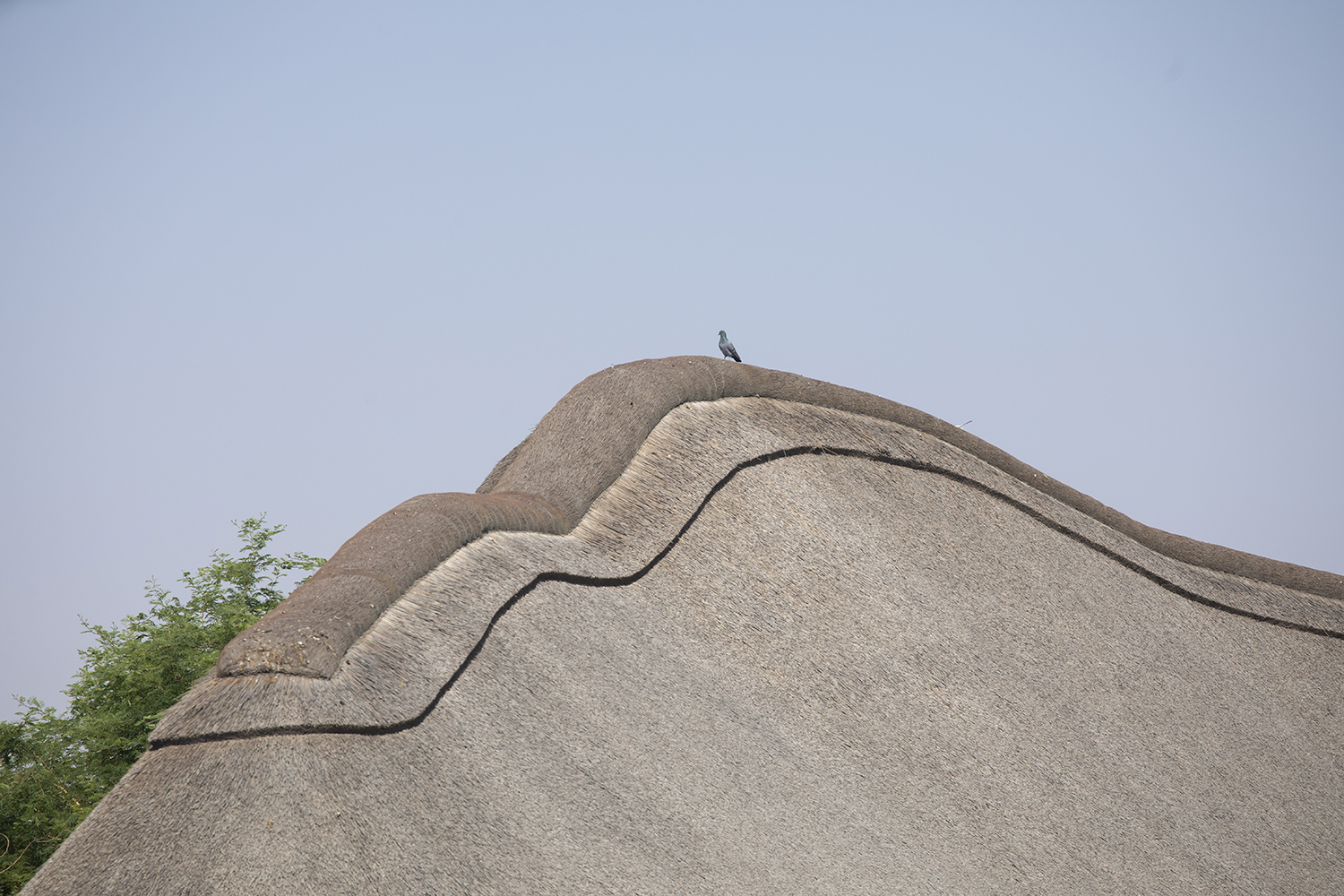
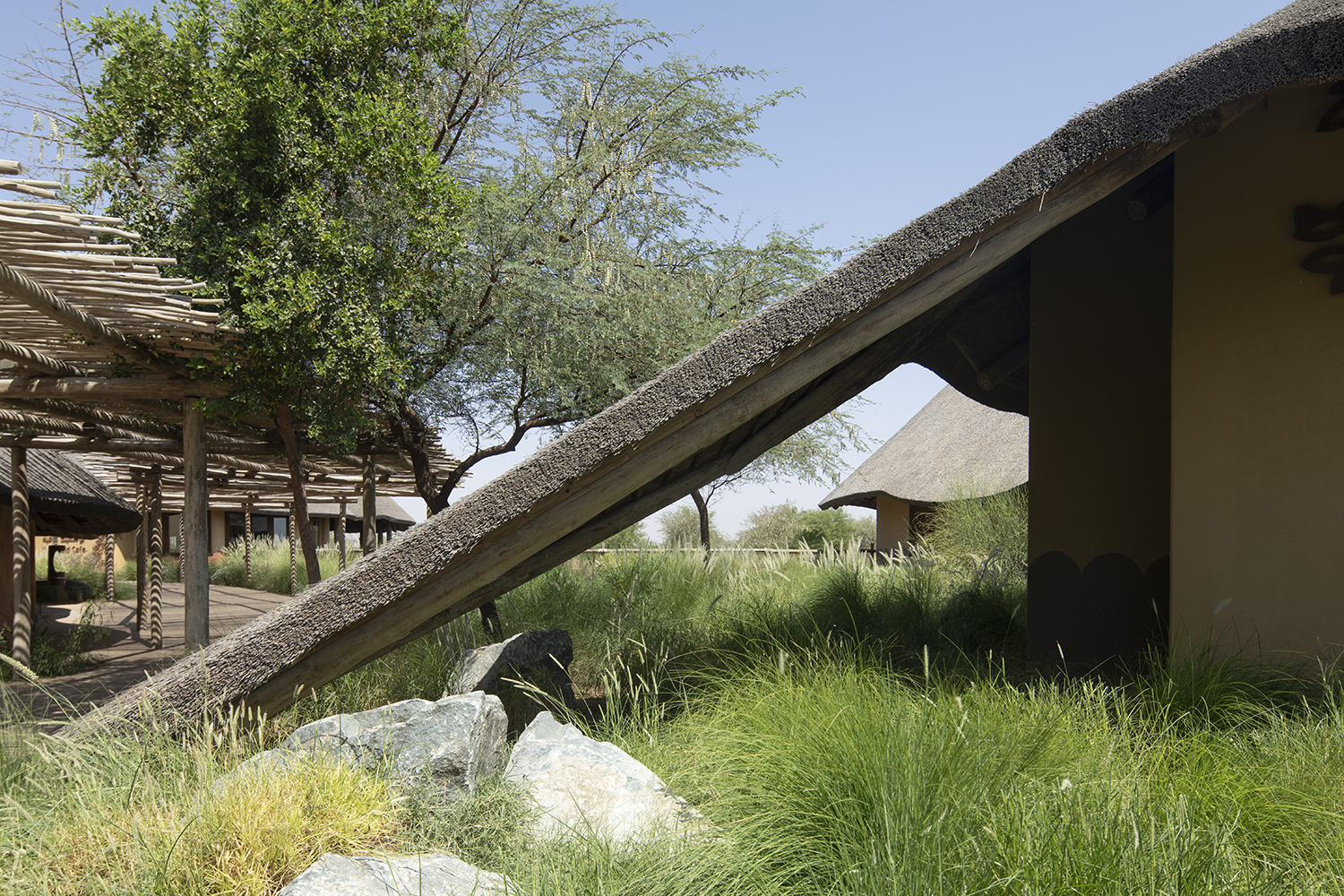
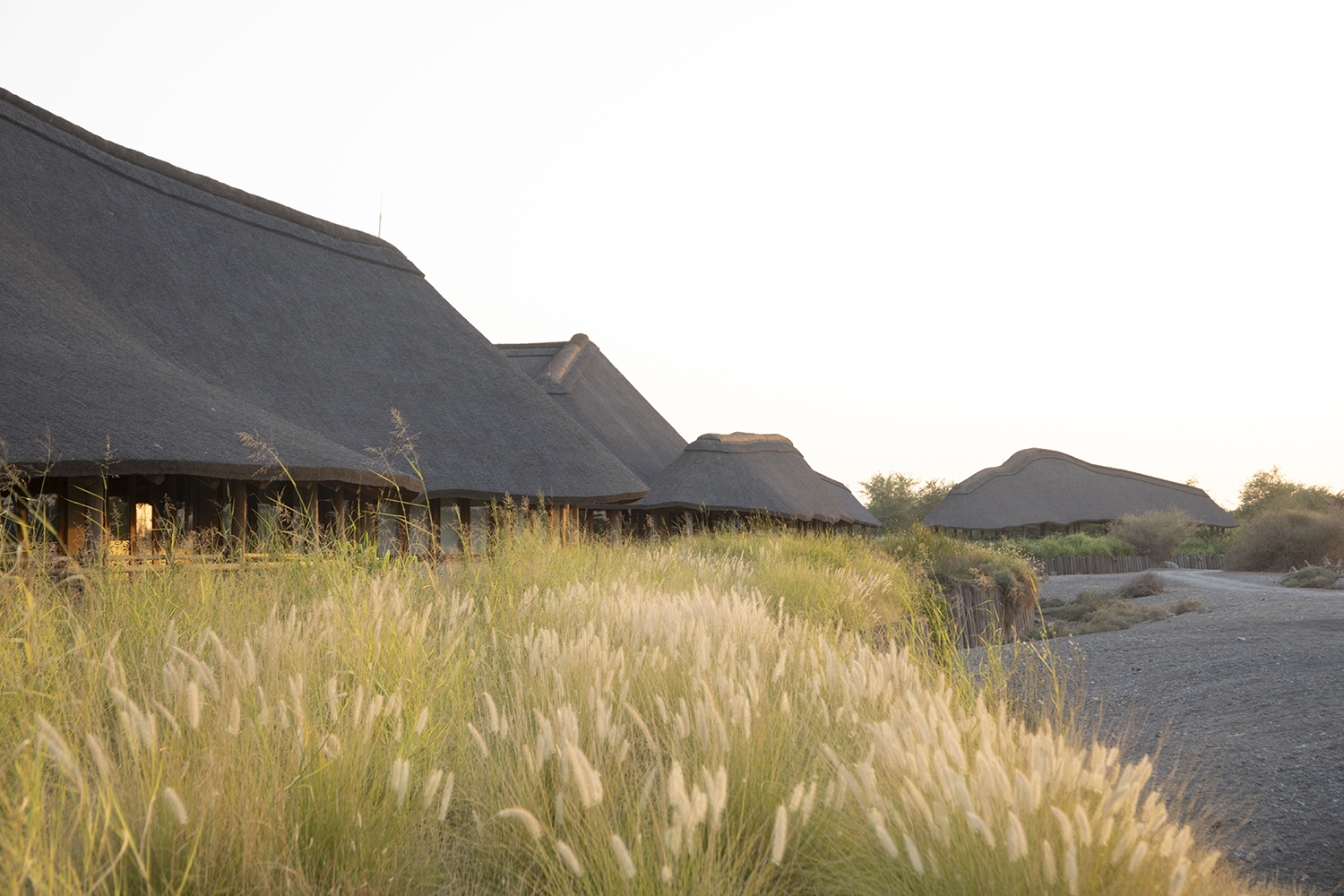
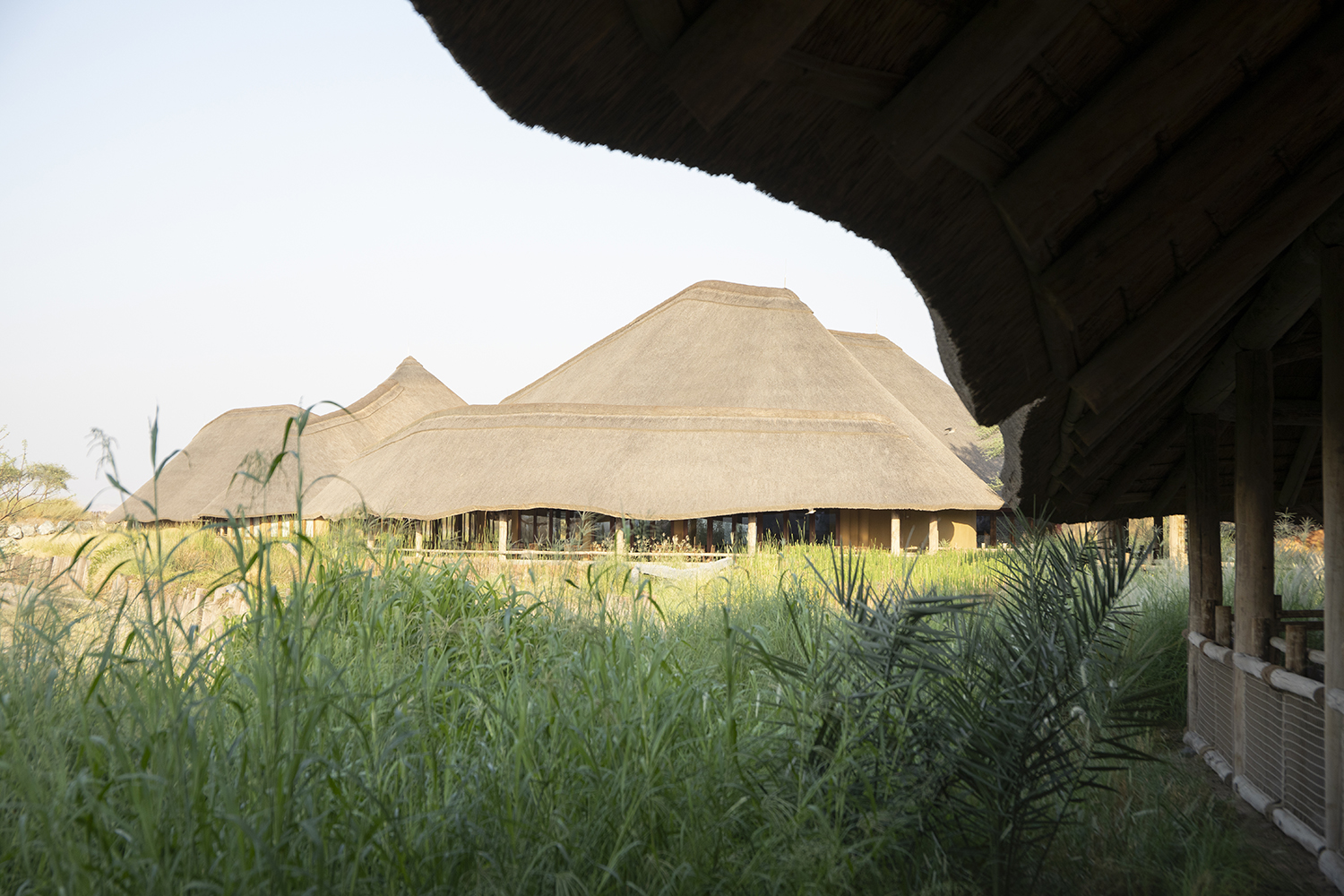
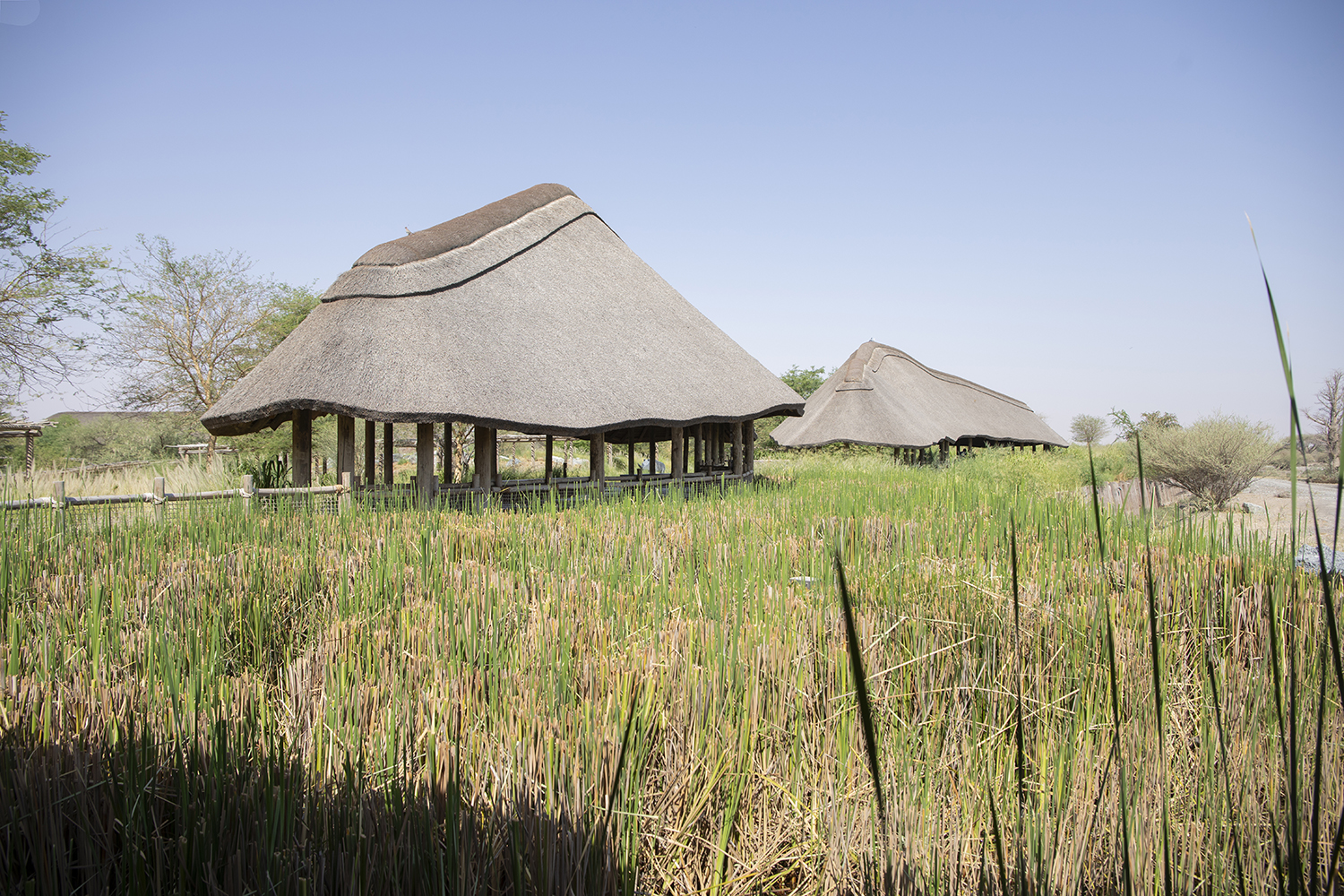
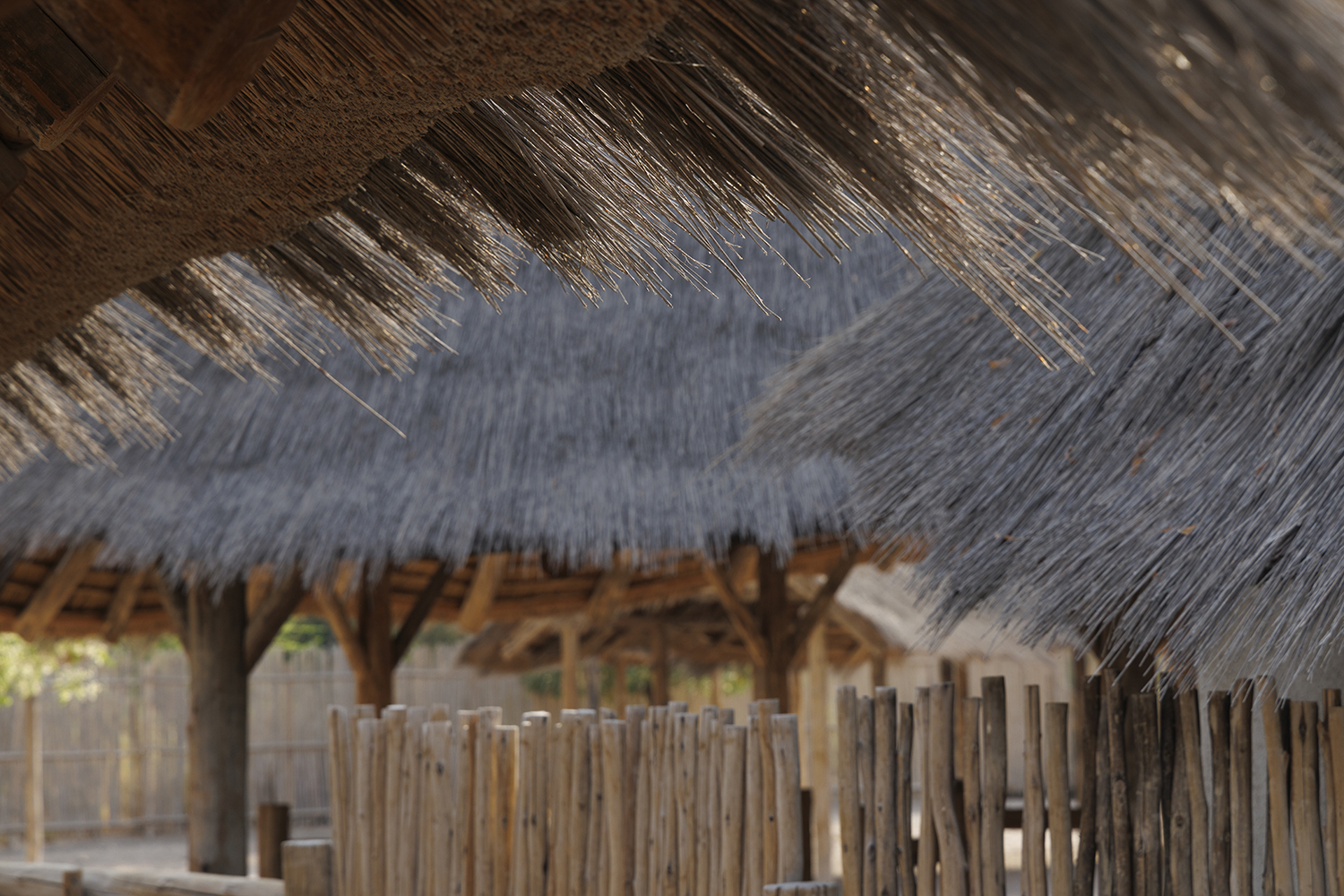
A key part of the design process involved extensive studies on the performance and adaptation of thatched roofing systems to the local climate, seeking to achieve both authenticity and environmental responsiveness. Drawing from our experience in Kenya, we envisioned the buildings as sculptural presences that rise from the terrain, forms that evoke natural organisms, engaging in a quiet dialogue with one another and with the surrounding vegetation.
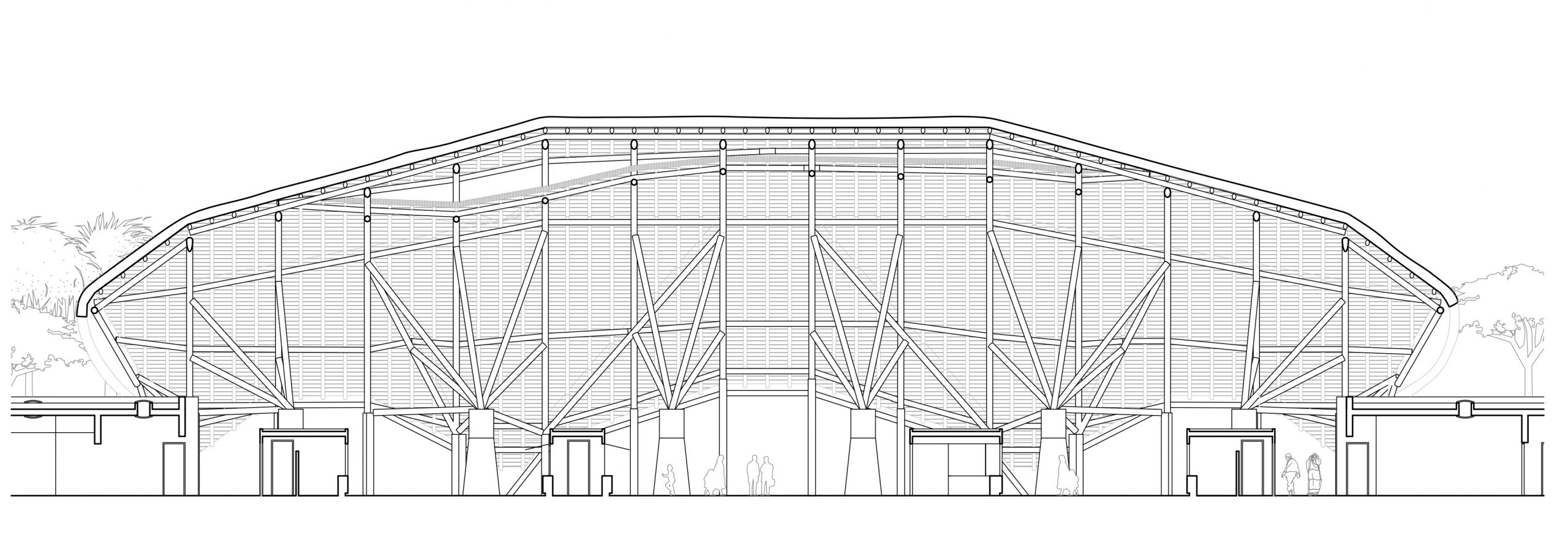
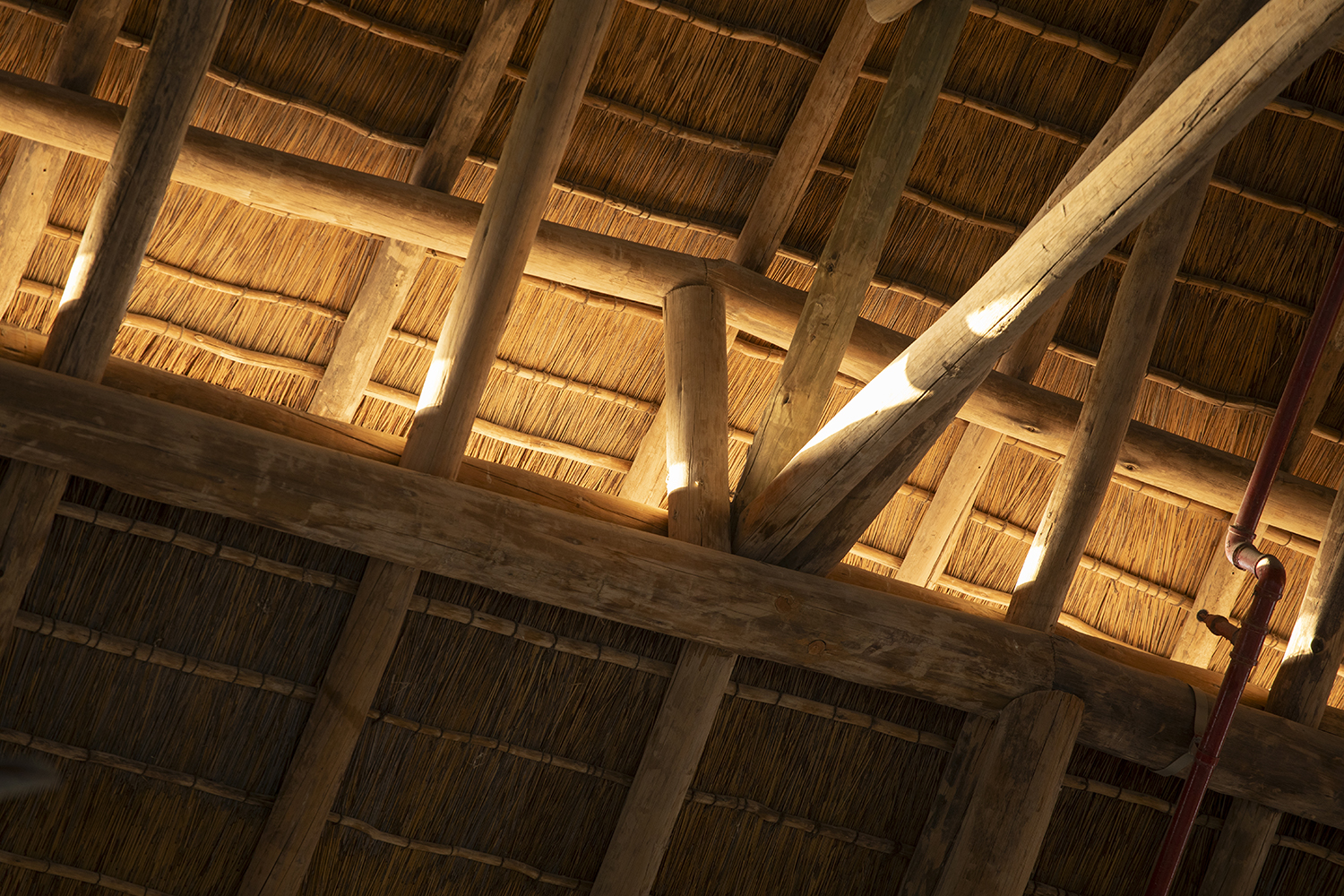
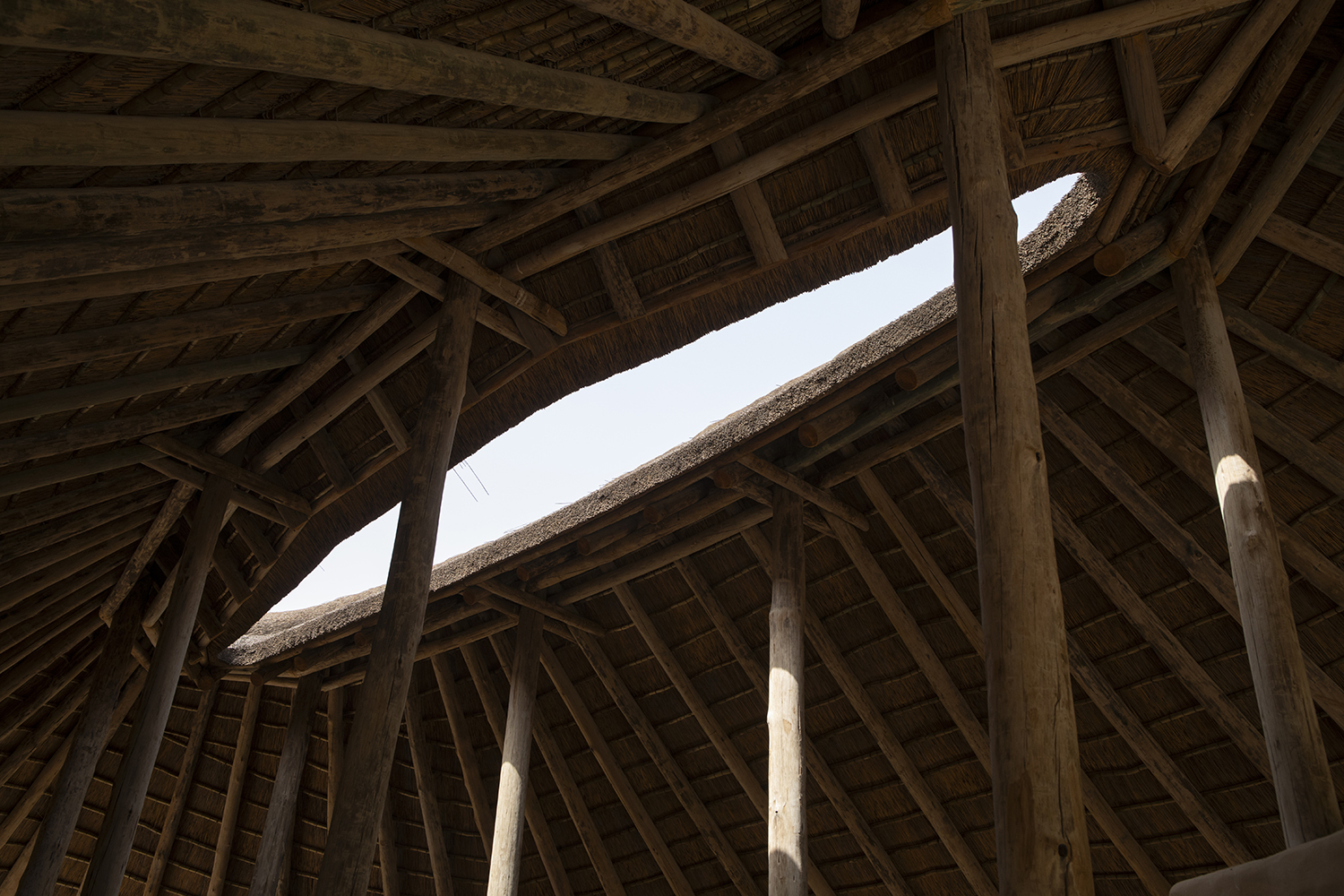
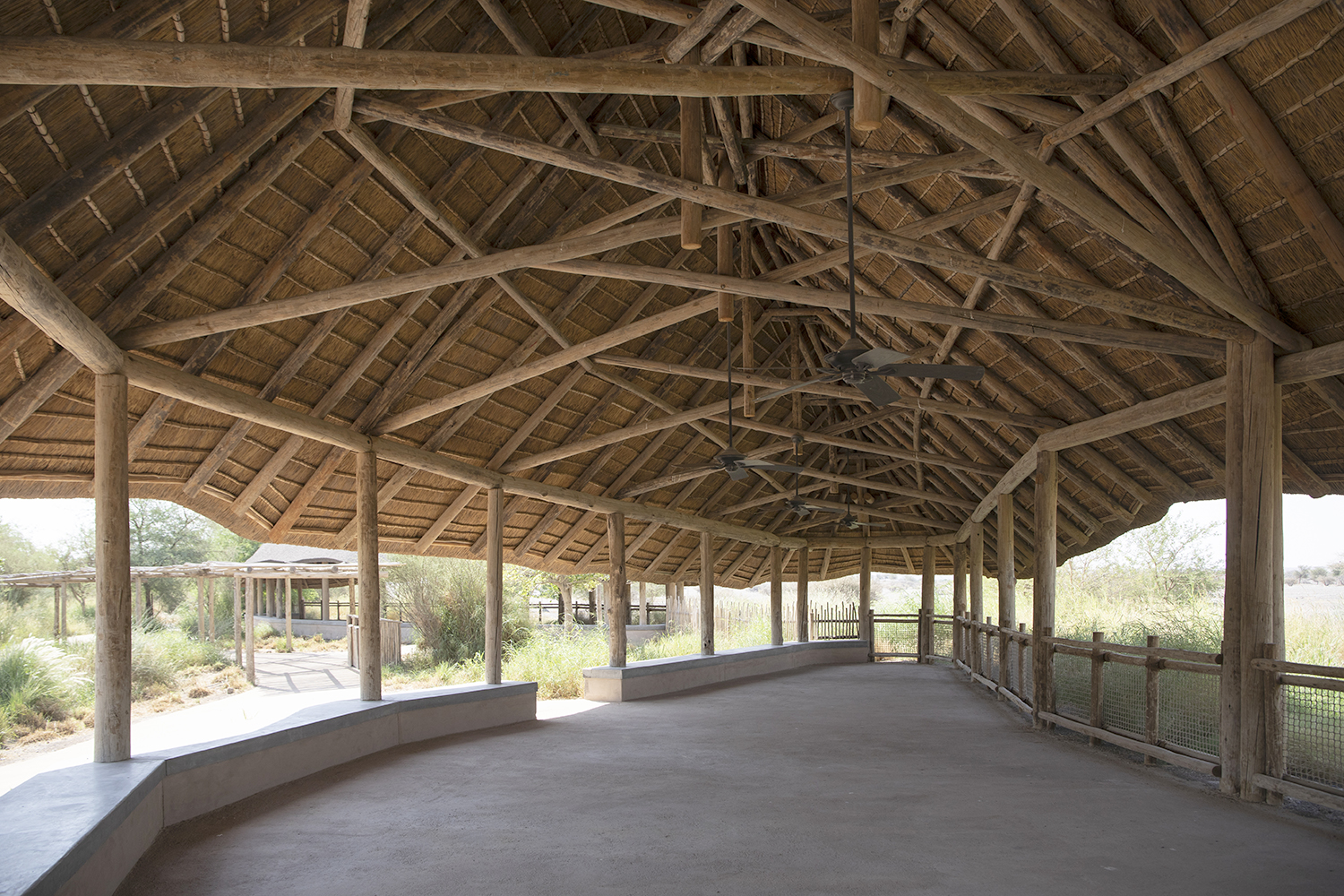
Materiality became central to this expression, particularly through the deliberate pairing of thatch and timber. Rather than treating the roof as a separate element, the thatch was conceived as an extension of the wooden structure beneath it—an integrated system in which warmth, texture, and craft operate in unison. The timber framework provides clarity and rhythm, while the thatch introduces softness, depth, and climatic performance, filtering light and heat in a way that reinforces the project’s environmental ethos. Together, these materials create an architectural language that feels both grounded and tactile, bridging a sensorial natural richness with the durability and refinement required by the contemporary context.
The result is a cohesive architectural landscape that celebrates learning, adaptation, and the interplay between nature and built form.